

Critical illness is a good news/bad news sort of blog topic. The bad news? The instances of heart attack, cancer, stroke and other health issues are on the rise. So, what is the good news? You are likely going to survive if this happens to you, and this is where critical illness insurance comes in.
What Is Critical Illness Insurance?
Critical illness insurance provides a lump sum payment if you survive an adverse health event. If you have a thorough life insurance plan, this won’t pay (because you’re still alive). Enter critical illness insurance: it pays out as a single, lump sum that is tax free if you have been diagnosed with certain health conditions (such as cancer), or experience a major health event (such as a heart attack or stroke).
Do I Need Critical Illness Insurance?
Technically, it’s not essential to have critical life insurance; no one will force you to take a policy. It’s insurance that is very nice to have.
Also, there are “riders” (optional features you can have added on to your contract) that mean you get your premiums returned to you if you don’t get sick and have a claim. A good question to ask yourself:
“If I was to experience a heart attack, stroke or cancer, what would matter the most to me?“
Is it just those 3 things?
Most policies include a fairly lengthy list of conditions that they pay out for. They will be clearly specified in the contract, so there are no surprises.
What if I have a pre-existing health condition?
It will be excluded, but you can likely get coverage for the other conditions.
What if I have a pre-existing health condition?
If you are deemed to have ‘higher than average’ health risks, the insurer will assess a “rating”, which is a percentage charged to the standard premium. For example, you might have a 150% rating due to lifestyle, and instead of paying $100, you will pay $150. While it’s no fun to pay more for insurance, it’s also important to keep in mind that you are more likely to NEED this insurance and therefore, it is a wise choice to have protection in place.
The ratings don’t show up spontaneously. This will be part of your insurance ‘offer’ based on the underwriting. You can choose to accept or decline coverage, or adjust the total insurance benefit to ensure the payments are within a comfortable budget for you.
What is a “Return of Premium” Rider?
A ‘return of premium’ rider is kind of like a forced savings plan as you pay into your critical illness policy. If you don’t make a claim, you are eligible to receive the premiums you paid back. It’s pretty much the best win-win situation ever because if you’re not sick, you now have a little bonus cash savings.
How Much Coverage Should I Have?
The answers for this will vary, depending on who you talk to. There are 2 ways to get an estimate:
ASK YOURSELF: What is most important to me if I were in that situation?
You might want to fly your family home for quality time together. In that case, a smaller amount of coverage would have a significant impact.
Maybe you want to fly to the very best treatment centre and get the world’s latest and greatest treatment.
Who Should Get Critical Illness Insurance?
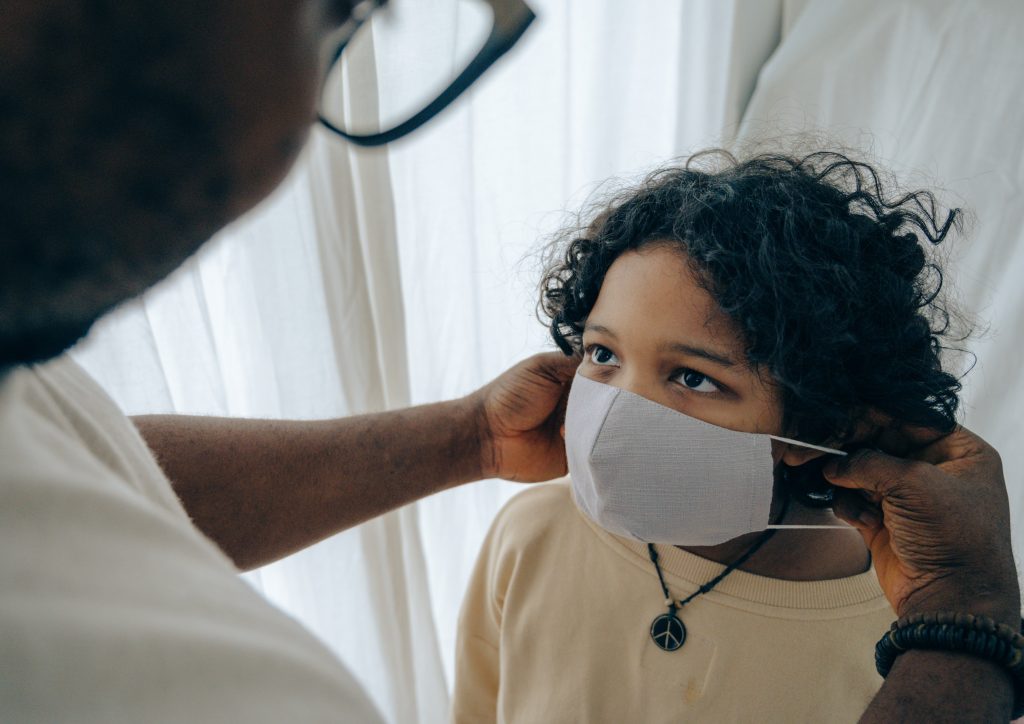
Everyone should consider getting critical illness insurance. People without pre-existing health conditions in particular, should consider getting cover, because it’s CHEAPER to get it sooner than later. Both children and adults are eligible for critical illness insurance.
Why Does Critical Illness Insurance Cost More Than Life Insurance?
Critical illness insurance can cost more than life insurance because people are more likely to experience a heart attack, stroke or be diagnosed with cancer and survive than to die because of it.
What Illnesses Does Critical Illness Insurance Cover?
The list of illnesses that are covered by critical illness insurance varies depending on the insurance company, but here are some common illnesses that are covered:
- Alzheimer’s disease
- Aortic Surgery
- Aplastic Anemia
- Bacterial Meningitis
- Benign Brain Tumour
- Blindness
- Cancer (Life Threatening)
- Coma
- Coronary Angioplasty*
- Coronary Artery Bypass Surgery
- Deafness
- Dementia including Alzheimer’s Disease
- Early Breast Cancer
- Early Prostate Cancer
- Early Skin Cancer
- Early Stage Blood Cancer
- Early Stage Intestinal Cancer
- Early Thyroid Cancer
- Heart Attack
- Heart Valve Replacement or Repair
- Kidney Failure
- Loss of Independent Existence
- Loss of Limbs
- Loss of Speech
- Major Organ Failure on Waiting List
- Major Organ Transplant
- Motor Neuron Disease
- Multiple Sclerosis
- Occupational HIV Infection
- Paralysis
- Parkinson’s Disease and Specified Atypical Parkinsonian Disorders
- Severe Burns
- Stroke
TIP: To keep costs down, you can choose coverage that protects against top conditions (85+% of claims) for a lower amount of monthly premiums: Cancer (life threatening); Heart attack; Stroke (cerebrovascular accident); Coronary artery bypass surgery. The details vary by carrier, but many have these options available).
How Can I Buy Insurance?
There are two ways you can purchase critical illness insurance:
Critical illness insurance can be purchased with life insurance: |
Critical illness insurance can be purchased as its own policy: |
| You can purchase critical illness insurance as a rider when you purchase life insurance. When attached to a life insurance contract, there is usually no additional underwriting required. The medical information you provided for the life insurance is used to determine eligibility for critical illness. If you recently purchased a life insurance policy, there may be an option to still add the critical illness as a rider. | You can apply for critical illness insurance with or without other life insurance. The underwriting requirements would be based on the insurer you are applying to. If you have purchased life insurance before, the types of health and lifestyle questions will be similar. |
What Is Excluded From Critical Illness?
There may be exclusions in your critical illness insurance. There are two types of instances in which something would be excluded:
Pre-existing conditions:
Health conditions may be excluded if you have a pre-existing condition, and this will be known to you before you accept a contract.
Dangerous Behaviour:
Critical illness insurance does not pay out for self-inflicted injuries, intentional drug use, injuries sustained as a result of attempting to commit a crime, OR operating a motor vehicle (or boat, or plane) while under the influence of alcohol or drugs. All contracts will have specific wording on this.